
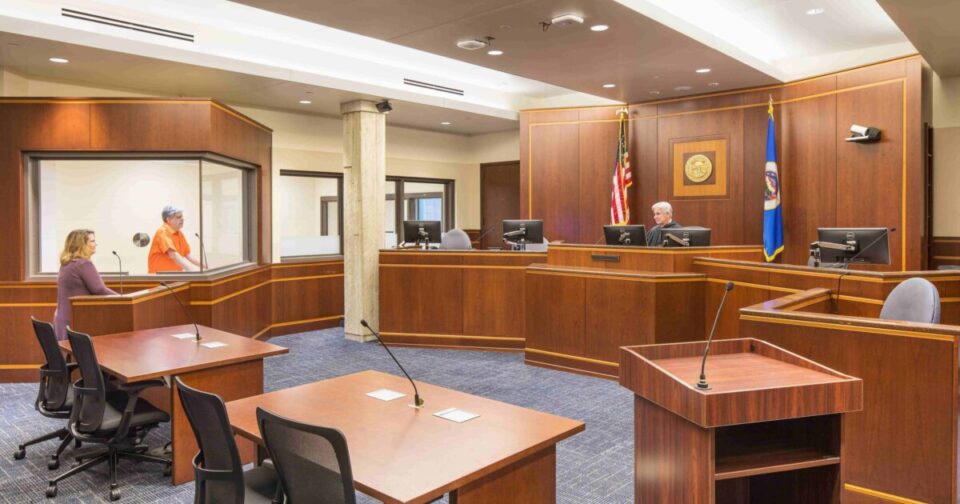
Introduction: The Silent Theatre of Justice
In a world where chaos can quickly unravel the threads of civility, the courtroom stands as a solemn, dignified institution that preserves the rule of law. Courts do not simply exist to mete out punishment; they serve as arenas of accountability, arbiters of truth, and protectors of rights. A court is not merely a room filled with robed figures and legal jargon—it is the beating heart of a functional democracy, and its role in shaping societal norms cannot be overstated.
From ancient forums in Rome to modern Supreme Courts, the evolution of the judicial system mirrors the progress of civilization itself. The court, in essence, is the stage upon which the drama of justice unfolds, with its players—judges, lawyers, jurors, plaintiffs, and defendants—each contributing to the pursuit of fairness and order.
The Architecture of Authority: What Makes a Court?
At its core, a court is a public institution established to adjudicate disputes under the law. It serves two primary functions:
-
Resolving disputes: Whether civil or criminal, courts interpret laws and apply them to specific cases.
-
Establishing legal precedents: Especially in common law systems, decisions made in court shape the interpretation of laws for future cases.
Different types of courts handle varying matters, depending on the legal system in place:
-
Trial courts (also called lower courts) handle the initial proceedings of both civil and criminal cases.
-
Appellate courts review the decisions made by trial courts to ensure legal correctness.
-
Supreme courts or constitutional courts handle high-level legal principles, often shaping the direction of national policy.
In democratic societies, courts also provide a critical check on the powers of the executive and legislative branches, thereby ensuring that no single organ of government can overreach its bounds.
The Human Face of the Judiciary
A court’s true power lies not in its walls or rituals, but in the individuals who bring it to life.
The Judge
Often considered the moral compass of the courtroom, the judge’s role is both authoritative and interpretive. Far beyond simply ensuring order, a judge must:
-
Impartially weigh evidence
-
Interpret laws and precedents
-
Safeguard the rights of all parties
Judges must possess not only legal acumen but also an ethical backbone and an acute understanding of human nature. Their words can shape lives and influence societal norms for generations.
The Lawyers
The advocates of each side bring intellect, persuasion, and strategy to the courtroom. A lawyer must:
-
Represent their client zealously within the bounds of the law
-
Present and challenge evidence
-
Navigate the procedural complexities of legal systems
Litigation is rarely theatrical in the way pop culture portrays it, yet the stakes are no less dramatic. Lawyers operate as both shield and sword for their clients—whether defending the innocent or prosecuting the guilty.
The Jury
In jurisdictions where jury trials are held, this body of citizens embodies the democratic spirit of the legal system. Jurors are tasked with interpreting facts and rendering verdicts, often in emotionally charged or complex cases. Their involvement reminds us that justice is not merely an elite exercise but a civic duty.
Courtroom Rituals: Symbolism and Substance
Much of the courtroom’s gravitas lies in its traditions and formalities. These rituals are not hollow performances but meaningful symbols designed to underscore the seriousness of legal proceedings:
-
The gavel’s strike signals order, control, and the start or end of proceedings.
-
Standing for the judge reflects respect for the rule of law.
-
Oaths and affirmations are not just formalities—they underscore the moral and legal weight of truth-telling in judicial processes.
These customs reinforce the principle that the courtroom is not an ordinary space; it is sacred in its commitment to impartiality and truth.
Modern Challenges: The Court in the Digital Age
Today, courts face a rapidly shifting landscape. Technology, societal change, and political polarization have tested the resilience of judicial systems.
Technological Advancements
Digital evidence, online hearings, and artificial intelligence are transforming how courts function. Virtual courts, accelerated by the COVID-19 pandemic, have increased access to justice but also raised concerns about due process, confidentiality, and fairness.
Media Influence
The growing presence of high-profile cases in the media, particularly via social platforms, often undermines the principle of impartiality. “Trial by media” can skew public perception, pressuring courts and jurors before a verdict is even reached.
Backlog and Accessibility
Many judicial systems worldwide struggle with overwhelming caseloads and limited resources, leading to delays in justice. For vulnerable populations, navigating the legal system can be intimidating, costly, and inaccessible. The promise that justice should be for all still remains, in many cases, an aspiration rather than a reality.
Why Courts Matter: The Moral of the Institution
Ultimately, a court is more than an instrument of punishment or adjudication. It is a living institution that embodies the ideals of justice, fairness, and equality. Without courts, there can be no credible enforcement of laws, no protection of rights, no balance of power. The court exists to:
-
Protect individuals from arbitrary power
-
Uphold the constitution and legal frameworks
-
Provide a peaceful avenue for resolving conflicts
-
Encourage public confidence in the legal system
In times of political instability, social unrest, or rapid change, courts offer a vital anchor—a symbol that the law still reigns supreme over passion, prejudice, and power.
Conclusion: The Quiet Guardian of Civilization
Courts are not infallible. They have made mistakes, and they continue to evolve. Yet their enduring presence and purpose remain essential to the fabric of civil society. In every quiet ruling, every impassioned plea, every solemn verdict, the court speaks not just to the litigants before it, but to the larger society watching from outside its walls.
The courtroom is not just a place where laws are enforced—it is where humanity grapples with its highest ideals and deepest flaws. In respecting its authority, we do not merely obey; we affirm our collective belief in a system that, for all its imperfections, strives to be just. And in that striving, courts remain the quiet, unwavering guardians of civilization.
